
Puma Tracking Safari in Torres del Paine

LOCAL PUMA TRACKER
Expert Puma Tracker born and raised in Puerto Natales.
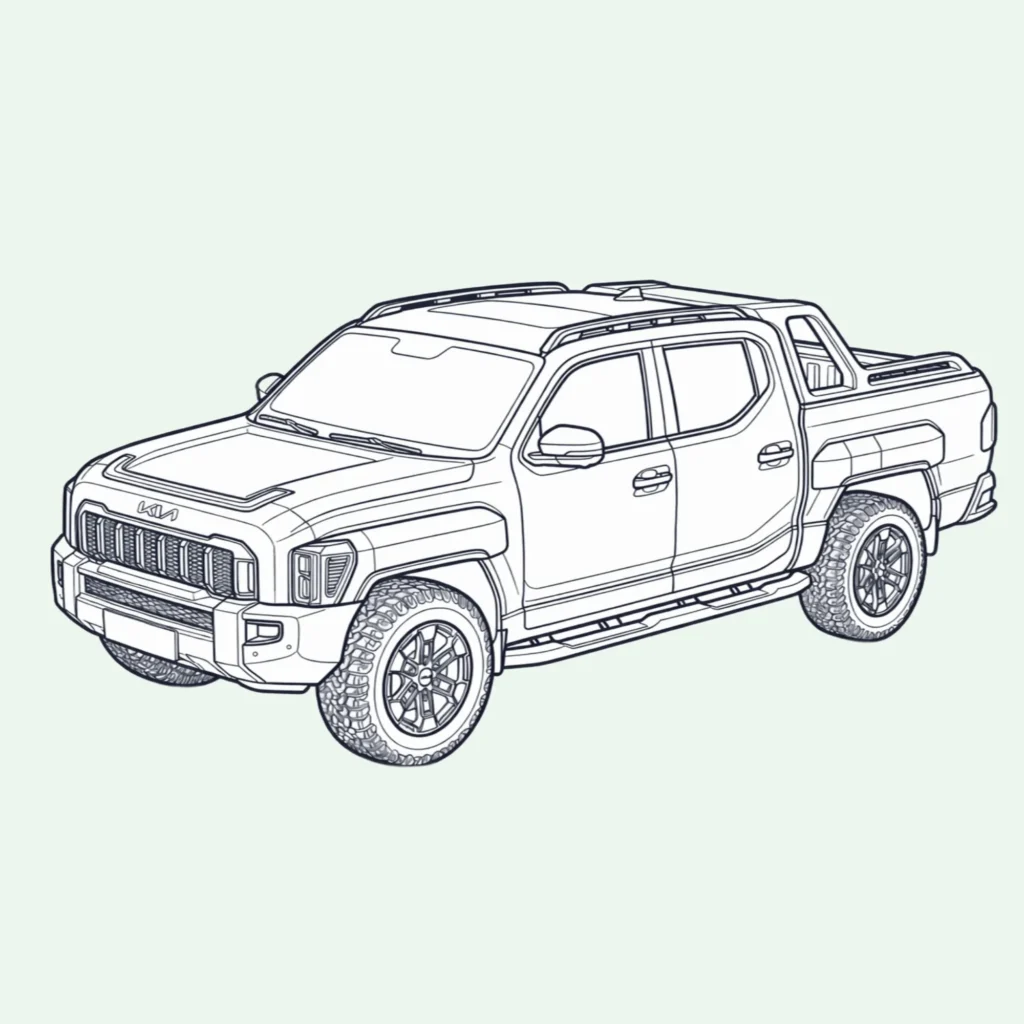
4×4 VEHICLE
The comfort and safety of a brand-new, 4×4 vehicle.

TECHNICAL EQUIPMENT
High-end gear for tracking and wildlife observation.

SMALL GROUPS
Connect deeper with Patagonia in small, exclusive groups

STARLINK ON BOARD
Stay connected and share your experience in real time.

SNACK FOR BREAKFAST
Recharge your energy with our morning snacks. Lunch is not included.
What will we do on our tour?
Puma Tracking in Torres del Paine is one of Patagonia’s most thrilling wildlife experiences, offering the chance to observe wild pumas in their natural habitat. The tour focuses on responsible wildlife observation, guided by local experts who understand the pumas’ behavior and movement patterns.
As you explore key areas of Torres del Paine National Park, the experience adapts to daily conditions and animal activity, creating a genuine and respectful encounter with Patagonia’s iconic wildlife.
Join us on the search for one of Patagonia’s most impressive animals!
Overview
Experience one of Patagonia’s most thrilling wildlife adventures: tracking and observing the Patagonian puma in its natural habitat. Guided by expert local trackers, you’ll explore key areas of Torres del Paine National Park, learning to read tracks, signs, and animal behavior that increase the chances of spotting this majestic feline.
The tour is operated in small groups, ensuring a safe, respectful, and low-impact approach to wildlife. Along the way, you may also encounter guanacos, foxes, rheas, and Andean condors, all set against the park’s breathtaking landscapes.
Perfect for nature lovers, photographers, and adventure seekers, this experience blends excitement, education, and conservation in one of the world’s most iconic natural settings.
👉 A unique opportunity to connect with Patagonia’s wild spirit in a responsible and authentic way.



Included
✅ Professional wildlife local guide
✅ Modern and comfortable vehicle.
✅ Introductory talk about the Patagonian puma.
✅ Safety briefing
✅ High-quality binoculars.
✅ High-quality scope with phone adapter
✅ Snack and hot beverage.
✅ Required coordination and permits.
Excluded
❌ Entrance fee to Torres del Paine National Park.
❌ Full meals.
❌ Personal photographic equipment.
❌ Personal and medical expenses.
❌ Personal insurance in case of accident.
Download our itinerary ↓
Puma Tracking Safari
FAQS
While nature is entirely wild and unpredictable—meaning we cannot offer a 100% guarantee—our success rate is exceptionally high. Our expert local trackers understand puma behavior deeply and utilize advanced field technology, such as thermal monoculars or long range scopes, to locate wildlife efficiently before dawn. This significantly increases the chances of a successful and respectful encounter.
Autumn (March to May) – Great: The park is stunning with the red and orange colors of the forests. The weather starts to cool down, prompting pumas to become very active. The lighting is incredibly soft, making it an exceptional time for photography.
Winter (June to August) – Excellent/Optimal: This is arguably the best time for tracking. The park is quiet with very few tourists, meaning pumas roam more freely and often descend to lower altitudes to hunt guanacos. The snow makes tracking fresh footprints much easier, and the contrast of a puma against the white snow provides breathtaking photo opportunities.
Spring (September to November) – Great: The weather gets milder and the days grow longer. This is the season when guanacos give birth to their young (chulengos), which naturally attracts pumas and increases predatory activity, offering great chances to witness natural behaviors.
Summer (December to February) – Great: Summer is a fantastic time for puma sightings! The main difference during these months is simply the schedule. Because summer days in Patagonia are incredibly long, the sun rises very early. To catch the pumas during their most active hours in the cool morning, we start our expedition earlier (around 4:00 AM). Heading out early allows us to beat the summer heat and the park crowds, making that early alarm completely worth it when you spot a puma at dawn!
To ensure an ethical, silent, and highly personalized experience, we operate exclusively with small groups. We travel in a modern Kia Tasman 2026, a premium 4×4 expedition vehicle perfectly adapted for the rugged Patagonian steppe. This ensures maximum safety, comfort during the long drives from Puerto Natales, and plenty of space for your specialized photography gear.
All our expeditions depart directly from Puerto Natales. We will pick you up directly at your accommodation very early in the morning (before dawn). Departing early is crucial to reach the puma tracking areas around Torres del Paine just as the sun rises, which is the peak time for feline activity and offers the most stunning golden-hour light for photography.
This is a very low intensity expedition. While we use our 4×4 vehicle to cover large distances and scan the area, once a puma is located, we may need to walk through uneven terrain, short bushes, or slight inclines in the Patagonian steppe to get a safe and respectful viewing angle. Basic mobility and comfortable trekking shoes are required.
Why is Torres del Paine the best place in the world for Puma Tracking?
Torres del Paine National Park and its surrounding estancias are globally recognized as the absolute ultimate destination for observing and photographing wild pumas. But what exactly makes this specific region of Chilean Patagonia so unique compared to the rest of the Americas?
First, the topography of the Patagonian steppe plays a crucial role. Unlike in North and Central America, where mountain lions (cougars) are highly elusive, strictly nocturnal, and hide within dense, impenetrable forests, the landscape of Torres del Paine is vast and open. The rolling hills, low bushes, and expansive plains provide unobstructed, panoramic views. This unique environment allows our expert trackers to spot felines from a great distance using thermal monoculars and provides the scene for a cinematic wildlife photography using telephoto lenses.
Secondly, the region boasts an incredibly high concentration of pumas due to the abundance of their primary prey: the Guanaco. The massive herds of guanacos roaming the steppe create a thriving, balanced ecosystem that supports one of the highest densities of pumas on the planet.
Finally, decades of strict conservation efforts and the ban on hunting have fundamentally changed the behavior of the Patagonian puma. In this specific region, generations of pumas have grown up without viewing humans as a threat. They have become habituated to respectful, silent human presence. This allows our small group expeditions to witness them engaging in their natural, everyday behaviors—hunting, nursing their cubs, playing, or simply resting on a panoramic rock at sunrise—all in broad daylight and completely undisturbed.
Wildlife of Patagonia: Other animals you can spot on our safari
While the Patagonian Puma is the undisputed king of the steppe and the main focus of our tracking expedition, the ecosystem of Torres del Paine is teeming with an incredible variety of photogenic wildlife.
The Guanaco (Lama guanicoe): The wild ancestor of the llama, guanacos are the undisputed engine of the Patagonian ecosystem and the primary food source for pumas. You will see vast herds of these elegant camelids grazing across the steppe. Their high-pitched alarm calls serve as our natural radar, often alerting us to the presence of a hunting puma nearby. Capturing a guanaco standing on a ridge against the strong Patagonian wind makes for a classic, spectacular shot.
Andean Condor (Vultur gryphus): The largest flying bird in the world by combined measurement of weight and wingspan. These majestic scavengers are the masters of the Patagonian skies. We frequently spot them soaring high above the mountains or resting on cliff edges. In the context of our tracking, spotting a flock of condors descending in tight circles is a strong indicator of a recent puma kill.
Darwin’s Rhea (Rhea pennata): Known locally as the Ñandú, this is a large, flightless bird similar to an ostrich, perfectly adapted to the harsh Patagonian environment. Observing a male rhea sprinting across the open plains at high speeds, often followed by a large flock of small chicks, is a delightful sight and offers an excellent opportunity to practice high-speed action photography.
South American Gray Fox (Lycalopex griseus): This nimble fox is commonly seen darting across the roads or hiding in the tall grass. They add a wonderful touch of diversity to your wildlife portfolio.
Patagonian Skunk & Armadillo: If we are lucky, we might cross paths with the Patagonian Skunk (Chingue) or the Dwarf Armadillo (Piche). While smaller and sometimes harder to spot, capturing these unique, endemic mammals adds immense value to any wildlife photographer’s catalog.